Frida, skipper in Greece
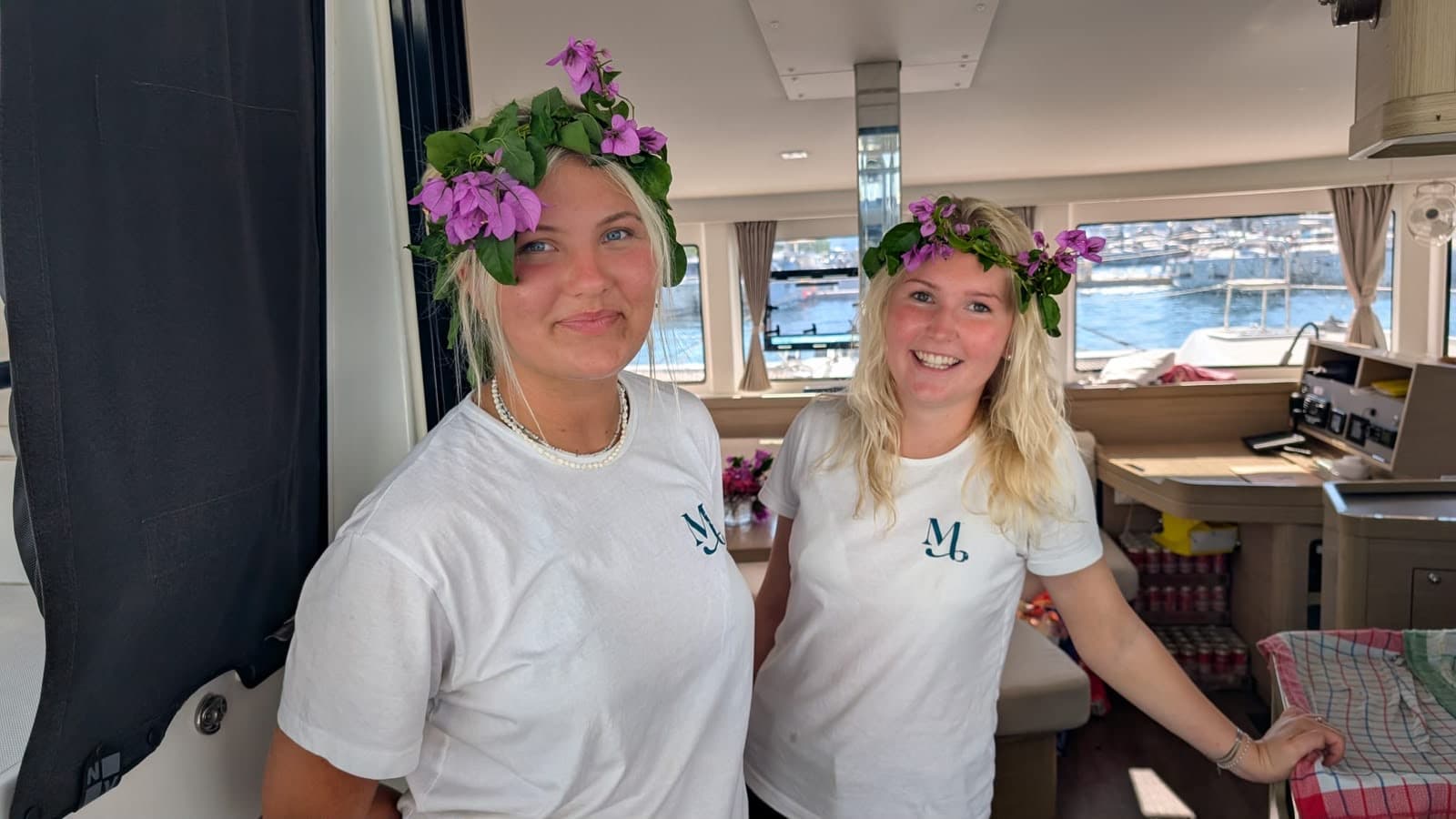
Frida (left) with the host on board during midsummer week in Greece.
Frida, 21, skipper in Greece: "I was terrified. Then the fear let go."
Frida Rydbergh has spent two seasons as a skipper with More Sailing, in Croatia and Greece. She has steered catamarans through narrow harbours, watched dolphins swim beneath the bow, and learned that being responsible for a whole boat full of guests is the best thing she knows. This is her story.
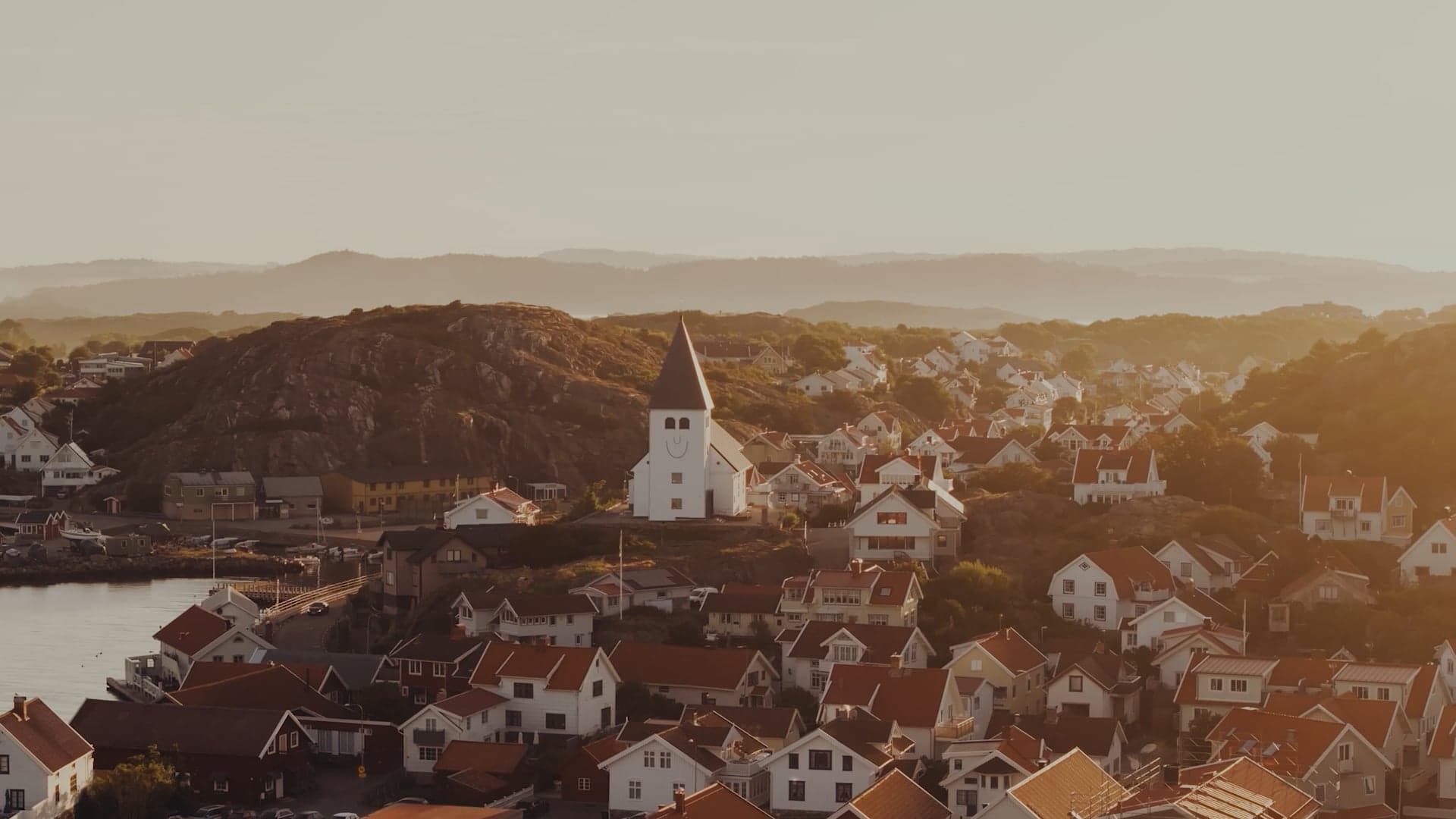
Frida grew up near Gothenburg with the archipelago right outside her door. The family had a boat, her dad loved the sea, and summers were all about rocky islets, barbecue evenings and nights camping out on the islands. But sailing? That, she was actually terrified of.
"I went to sailing camp because I loved camp and meeting new people. But the sailing itself scared me to death. There were three of us in a small dinghy, and when it got windy it heeled hard and took on water. I always came up with an excuse to ride along in the RIB instead."
The turning point came on a windy day when a friend's boat capsized. Frida sat in her own boat, terrified. But her friends in the water just laughed.
"That's when it let go. I realised it isn't dangerous. The worst that can happen is you get wet. I haven't stopped sailing since."
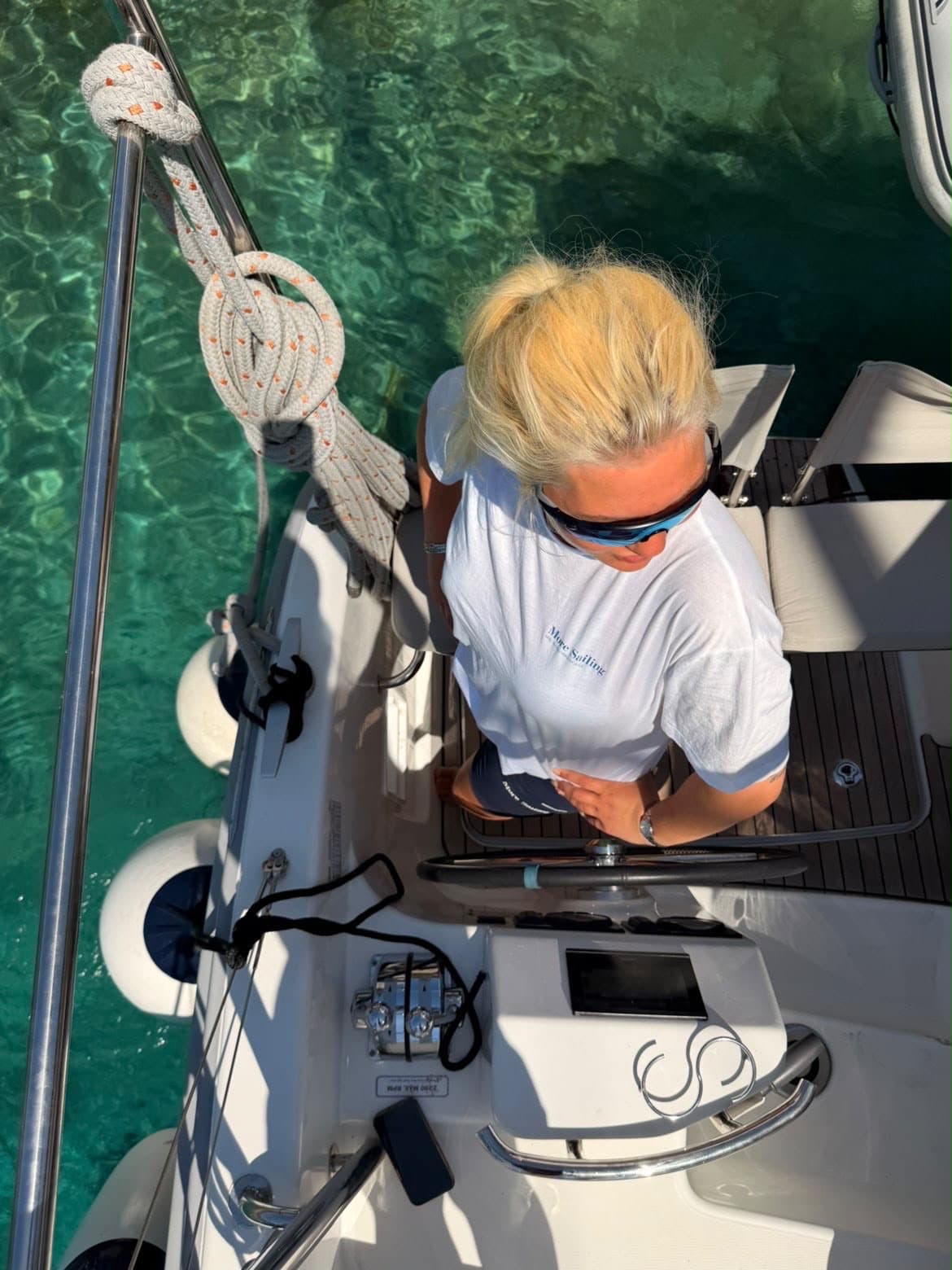
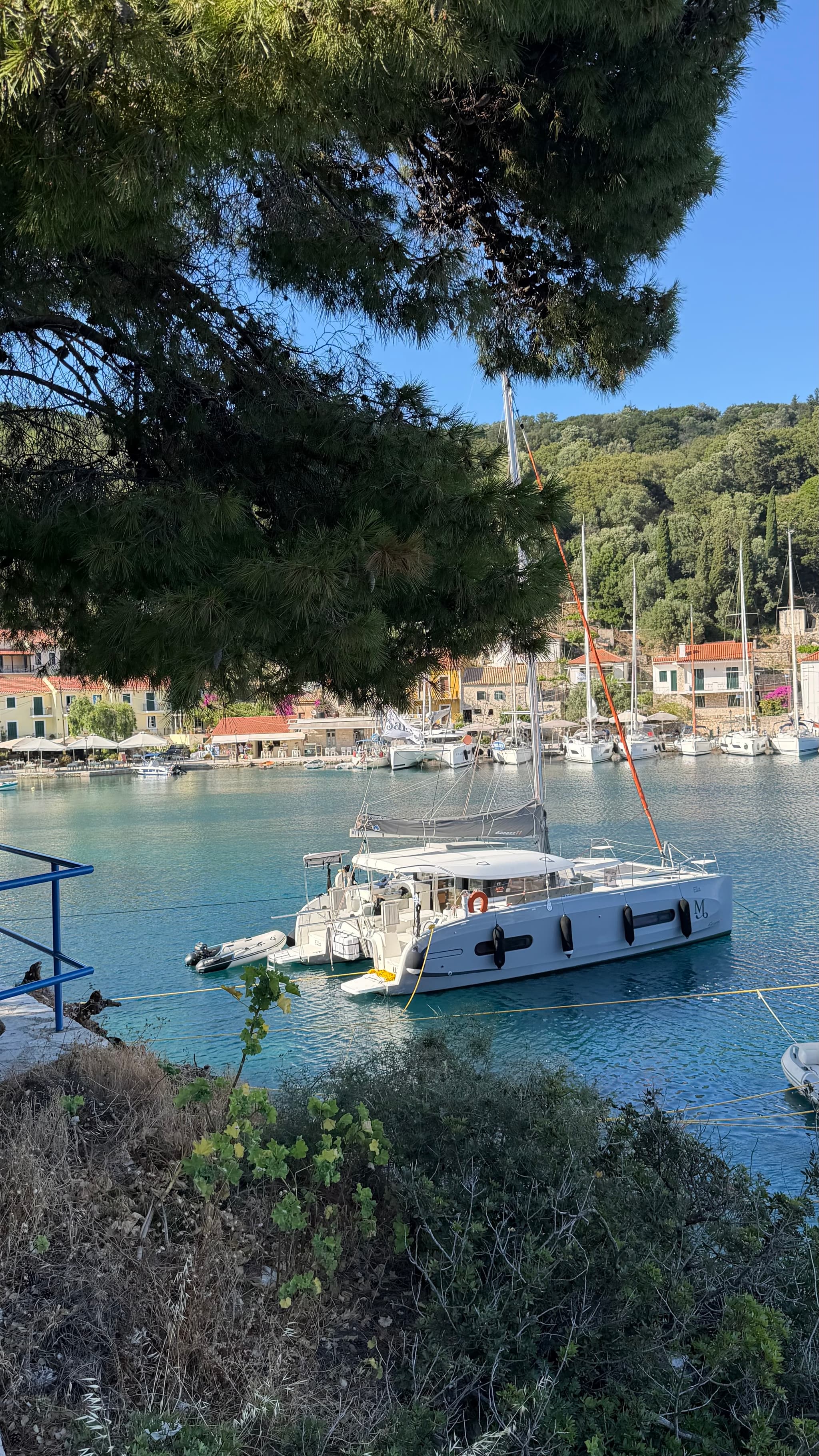
From dinghy to catamaran
She got a 29er, started training at GKSS in Gothenburg and found her thing. What stuck was the feeling of how a boat responds in the water, how the wind takes hold and how you can manoeuvre the boat. It became a hobby she loved rather than elite-level racing.
At a family dinner, someone mentioned that a friend's daughter worked at More Sailing. Frida applied straight away, as a skipper. She didn't get in. But she didn't give up on the dream. She took her powerboat licence, her coastal skipper certificate and every qualification she could find. Then, one evening in February, she heard a friend say she was going to work in Croatia that summer.
"I just thought: no, I'm doing that too. Then I realised applications were about to close. So I sat down at the computer, sorted out my CV that same evening and sent it in. Two days later I was invited to an interview. And now here I am."
Her first season was 13 weeks in Croatia. Her second, 8 weeks in Croatia and 8 in Greece.
"It's all on me"
The step from dinghy to being responsible for a catamaran full of guests was bigger than Frida had expected.
"I had no idea how much responsibility it is. I understood that during intro week. I just thought: shit, it's all on me. These people have booked their holiday, and I'm the one who's going to show them around on a boat I've only just stepped aboard. If there's a storm or something happens to the boat, it's my responsibility."
The first few weeks she was nervous. After a couple of weeks came the moment when everything fell into place.
"I was driving my boat and just felt: I can do whatever I want with this boat and it listens to me. I know exactly what to do. It was such a relief. I was so proud of myself. I deserve to be here."
A day in Greece
Ask Frida what an ordinary day looks like, and the answer starts early, before most of the guests are awake.
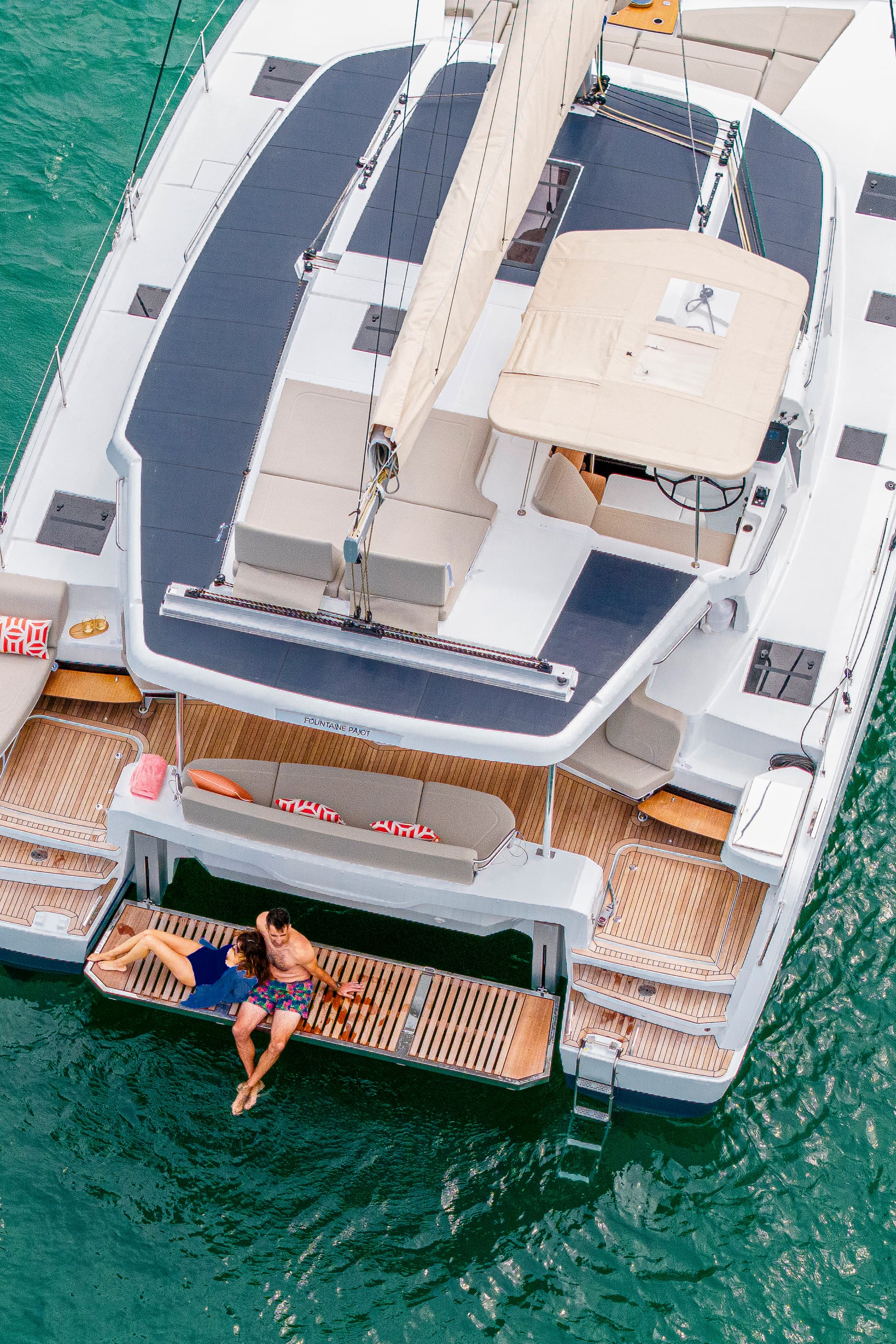
"I like to cast off early, before breakfast. In the morning it's usually completely calm in Greece. The wind arrives like clockwork later in the day. So you motor out a bit, switch off the engine on glassy water with three hundred metres beneath you and watch the sun come up. And then you have breakfast."
Sometimes dolphins show up.
"They don't usually like me, I hardly ever see them. But this week they swam right in front of us. You could see them through the net on the catamaran. It was absolutely incredible."
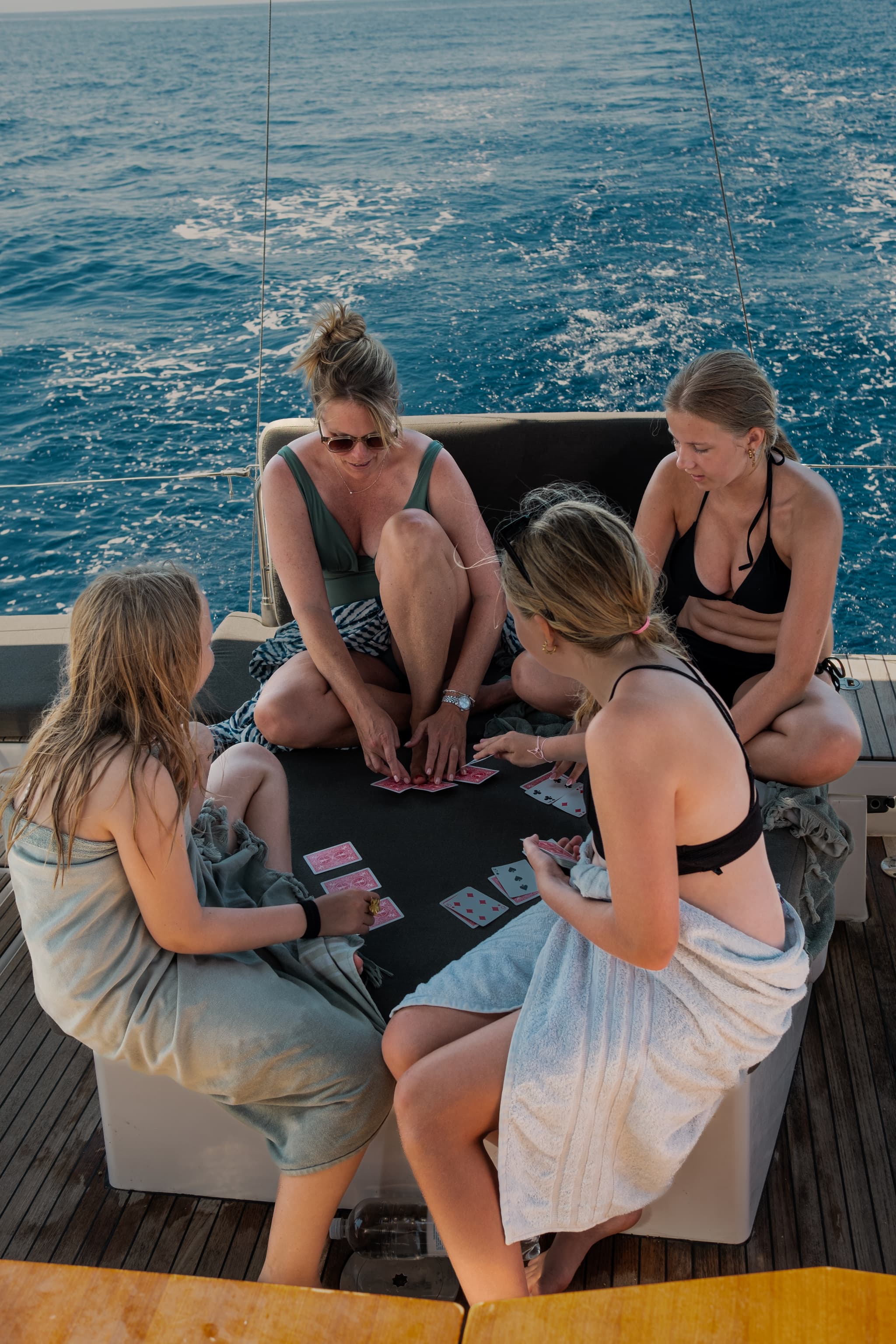
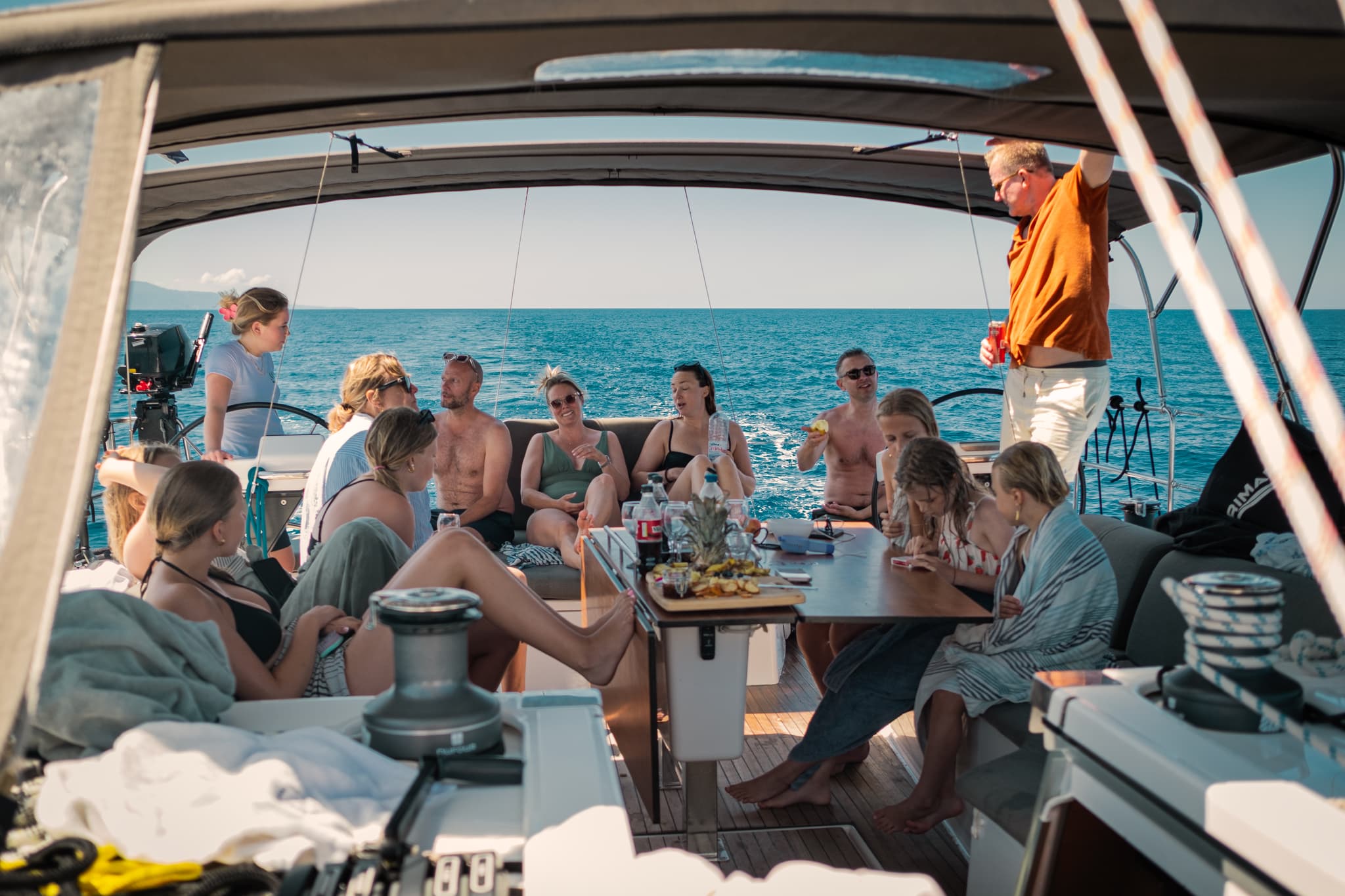
By late morning they drop anchor in a bay. The guests swim, jump off the boat and sunbathe while the host lays out lunch. Frida is clear about what she thinks of the food on board.
"It's amazing how our hosts deliver. I'm so impressed. And the guests are just as surprised every time that you can eat such good food in a place like that."
In the afternoon the wind picks up and it's time to sail. The guests stretch out on the foredeck with a book while Frida and the host stand at the helm, looking ahead. By the time they reach the evening's harbour, the host has managed to bake a cake.
"You raise a glass, say thanks for the day and talk a bit about the village you've arrived in. Then you shower on the boat, take a walk in the warm evening and have dinner at a taverna. It's pretty ideal."
Lefkada, Assos and places you can only reach by boat
Frida spent eight weeks sailing the Ionian Sea this summer. Ask her for a favourite spot and she doesn't need to think long.
"The outside of Lefkada. You can't stop looking. Milky blue water that glows, and high mountains plunging straight into the sea. You look down and see nothing, just blue. And a bit further out it's three thousand metres deep. Where the mountainside has collapsed, a white sand beach has formed that you can only reach by boat. I get the same magical feeling every time I'm there."
And Assos on Kefalonia.
"I got there late one evening and was so impressed. The nature, the houses on the little headland, and that people actually live there. Coming in by boat felt like travelling back in time. I'd just watched The Odyssey, and there I was, with Ithaca just around the corner. Assos was really, really beautiful."
Young, female, skipper
Frida is 21 and skippers a large catamaran. Not every guest takes that for granted straight away.
"I'm a twenty-one-year-old girl driving a really expensive boat. If I'd heard that five years ago, I'd hardly have believed it myself. And there are men on board who need a day before they can let it go. You can tell."
She pauses.
"But after a day they usually see that I can do it. And I've had a lot of praise. But it's a shame that girls start at minus when boys start at zero."
Frida doesn't want to make it a big issue, because it isn't, she says. But she wants it to be seen.
The colleagues, the guests and the stars
Ask Frida what the best thing about the job is and she answers straight away: the people. Colleagues who live together, work together and get up to mischief together.
"It's like camp. You live together, do things together and are there for each other. I feel a real sense of community and have a network of people I care about and who I know care about me. I've brought home lots of friends, from all over Sweden, whom I'd never have met otherwise."
The guests are a big part of it too. Every Saturday a new group steps aboard, often strangers to each other, and a week later they hug goodbye like old friends. Getting to be the one who shows them the sea, the bays and the villages, and watching them relax a little more each day, is something Frida takes with her.
She talks about the theme parties in the harbour on Friday nights, like the Karin party and the headband party. But also about the evenings on the boats, when everything goes quiet.
"Sitting on the boats, looking at the stars and talking. That's something I'll really remember."
Looking ahead
Frida is coming back. She already knows that.
"Even before summer starts, I'm already planning to work at More Sailing. It's fun. And it's really nice that it's flexible, you can work a few weeks during high season if you want."
Further ahead, she sees herself working at sea in one way or another. Small boats, big boats, logistics, project management. Exactly what, she doesn't know, but it will be close to the sea.
And in ten years?
"I hope I can come back here with my kids and say: this is where I worked when I was twenty. These summers mean a lot to me. I've grown so much. I went from being a young girl to someone who can helm a big boat, take care of everyone on board and make sure they feel safe. Because I feel safe."
"I went from being terrified in a dinghy to skippering a catamaran in Greece. Our guests should feel safe. Because I feel safe."